
Reclaim Your Mornings: 4 Ultimate Secrets to Your Correct Sleeping Position For Lower Back Pain.

Did you know that about 80% of adults have lower back pain at some point? Their sleeping position often plays a big role. Waking up with pain can really mess up your day and life.
Finding the correct sleeping position for lower back pain can change everything. The right posture can ease back pain, make you feel better, and help you sleep better. Learning the right techniques is key.
You're about to learn four secrets to better sleep. These tips can help you wake up without pain. Let's see how you can make your mornings better and start your day feeling great.

Understanding the Connection Between Sleep and Lower Back Pain
Knowing the correct sleeping position for lower back pain is key to relief. The way you sleep can either help or hurt your back. During sleep, your body faces stresses and strains that can impact your spine and comfort.
How Poor Sleep Posture Contributes to Back Pain
Poor sleep posture can greatly add to lower back pain by straining your spine. Sleeping in an awkward way means your spine isn't aligned right. This puts more pressure on your muscles and joints, leading to pain.
The table below shows how different sleep positions affect your spine:
Sleep Position | Spinal Alignment | Impact on Lower Back |
Back Sleeping | Neutral | Minimal strain with proper support |
Side Sleeping | Can be neutral with proper pillow support | Moderate strain without proper support |
Stomach Sleeping | Often results in an unnatural position | Significant strain due to twisted spine |
Why Your Lower Back Hurts When You Wake Up
Waking up with lower back pain can be due to several sleep posture factors. A mattress that's too soft or too firm can strain your spine. Also, sleeping in a bad position or using a bad pillow can cause morning back pain.
It's crucial to find out why your lower back hurts to fix it. By understanding how your sleep posture affects your back, you can take steps to ease pain and sleep better.
The Science Behind Lower Back Pain During Sleeping
The link between sleep and lower back pain is intricate. It involves both the body's structure and how it moves. Knowing this helps us tackle the problem better.
Anatomy of the Lower Spine and Sleep Mechanics
The lower spine, or lumbar region, has five vertebrae. They support our body's weight and help us move. When we sleep, the spine faces different pressures based on how we lie.
Sleep mechanics involve the mattress, our body, and how we sleep. A good mattress and the right sleeping position can keep the spine's natural curve. This reduces strain on the lower back.
The lumbar lordosis (inward curvature) should be maintained.
A supportive mattress helps in distributing the body's weight evenly.
Pillow placement can affect the alignment of the neck and spine.
How Different Sleep Positions Affect Spinal Alignment
Different sleep positions impact spinal alignment in different ways. Sleeping on the back, side, or stomach can either keep or break the spine's natural curve.
For example, back sleeping can keep the natural curve if a supportive pillow is under the knees. Side sleeping needs a pillow between the knees to align the hips. Stomach sleeping is often the worst as it twists the neck.
It's key to know how sleep positions affect the spine to ease lower back pain. By choosing the right sleep posture, we can lessen our discomfort.
The Correct Sleeping Position for Lower Back Pain: 4 Ultimate Secrets
Finding the right sleeping position is key to easing lower back pain. There are four secrets to help you do this. These strategies can greatly reduce your discomfort and make you feel better in the morning.
The best sleeping position for lower back pain keeps your spine straight. It also involves using pillows for support, placing your hips and knees right, and smoothly changing positions. Let's explore these four secrets in more detail.
Secret 1:
Neutral Spine Alignment in Any Position
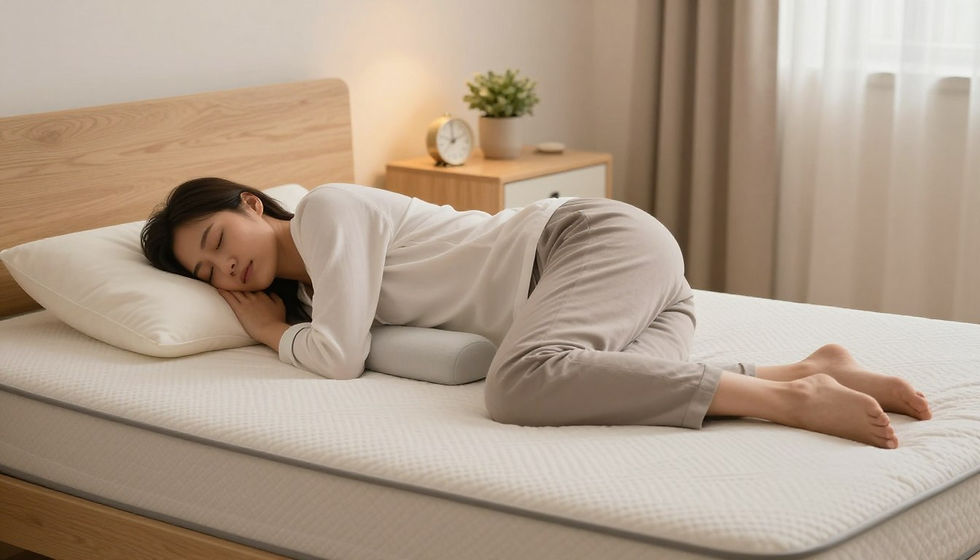
Keeping your spine straight is crucial for lessening lower back pain. This means your spine should stay in its natural curve, no matter the position. A supportive mattress and pillows can help keep your spine aligned correctly.
Secret 2:
Strategic Pillow Placement for Support
Where you place your pillows can greatly affect your sleeping position. For example, a contoured pillow under your knees can ease spine pressure when on your back. A pillow between your knees can also help keep your hips aligned when on your side.
Sleeping Position | Pillow Placement | Benefits |
Back Sleeping | Under knees | Reduces pressure on spine |
Side Sleeping | Between knees | Maintains hip alignment |
Stomach Sleeping | Under pelvis | Reduces strain on lower back |
Secret 3:
Proper Hip and Knee Positioning
Getting your hips and knees in the right spot is important for a good sleeping position. When on your side, slightly bending your knees can ease pressure on your hips and lower back. On your back, bending your knees slightly also helps keep your spine straight.
Secret 4:
Gradual Transition Between Positions
Slowly switching between sleep positions can help your lower back. If you need to change positions at night, do it slowly and smoothly. Avoid sudden movements that can make your lower back pain worse.
By following these four secrets, you can find the right sleeping position for lower back pain. This will help you wake up feeling refreshed and pain-free.
Best Sleeping Positions for Different Types of Lower Back Pain
The way you sleep can either help or hurt your lower back, depending on your position. Different back pain types need different sleeping approaches. Knowing these can help you find relief.
Side Sleeping: The Fetal Position with Modifications
Side sleeping can be adapted to ease lower back pain. The fetal position, with knees towards the chest, reduces spine pressure. Adding a pillow between your knees can also help, making it more comfortable and reducing strain.
Use a supportive mattress that keeps your spine aligned.
Place a pillow between your knees to reduce hip and lower back pressure.
Consider a contoured pillow to support your neck and keep your spine straight.
Back Sleeping: The Supine Position with Lumbar Support
Sleeping on your back can be good if done right. Adding lumbar support helps keep the lower spine's natural curve, reducing pain.
To improve this position, use a thin pillow or a rolled towel under your knees. This takes pressure off your spine.
Use a supportive pillow under your knees to reduce strain on your lower back.
Maintain a lumbar support to keep the natural curve of your spine.
Modified Stomach Sleeping for Those Who Can't Adjust
Stomach sleeping is not the best for lower back pain as it twists the neck. But, for those who can't switch, there are ways to make it better.
Putting a thin pillow under your pelvis can help. Using no pillow or a very thin one under your head can also reduce neck strain.
Use a thin pillow or no pillow under your head to minimize neck strain.
Consider a pillow under your pelvis to reduce lower back arching.
Hybrid Positions for Specific Back Conditions
Some people find relief in hybrid sleeping positions. These mix side, back, and stomach sleeping. For example, the "semi-fetal position" or using a wedge pillow can support the body, easing specific back conditions.
Try different setups, like pillows under your knees or a body pillow. This can help find a comfortable position that supports your lower back.
Experiment with wedge pillows or body pillows to support your back.
Consider a semi-fetal position with pillows for added support.
Essential Sleep Accessories for Good Sleeping Position for Lower Back Pain
The right sleep accessories can greatly improve your sleep and reduce lower back pain. By choosing the right items, you can sleep better and feel less pain.
Mattress Firmness and Material Considerations
Finding the right mattress is key for a healthy sleep. A soft mattress might not support your spine well. A firm one might be too hard. The best mattress balances comfort and support for your spine.
Look for mattresses that breathe well to keep you cool. Memory foam and hybrid mattresses are good for back pain. They mold to your body and offer the right support.
Specialized Pillows for Back Pain Relief
Pillows are important for keeping your neck and spine aligned. For back pain, use a pillow that supports your spine. Contoured pillows or back pain pillows help keep your neck's natural curve.
Also, use a pillow under your knees if you sleep on your back. Or between your knees if you sleep on your side. This helps support your spine and eases lower back strain.
Lumbar Supports and Body Pillows
Lumbar support pillows help your lower back. They keep the lower spine's natural curve. These pillows are great for back sleepers to keep their spine aligned.
Body pillows offer full-body support for a comfortable sleep. They're good for pregnant women or anyone needing extra comfort and support.
Pre-Sleep Routine to Prevent Lower Back Pain When You Wake Up
Having a good pre-sleep routine is crucial to avoid lower back pain in the morning. By adding specific stretches and techniques to your bedtime routine, you can lower the chance of waking up with pain.
Targeted Stretches to Relieve Spinal Pressure
Doing targeted stretches before bed can ease spinal pressure and help with lower back pain. Some good stretches include:
Knee to Chest Stretch: Lie on your back, bring one knee towards your chest, and hold for 30 seconds before switching legs.
Cat-Cow Stretch: On your hands and knees, arch your back (like a cat), then round your back (like a cow), repeating the motion for 30 seconds.
Pelvic Tilt: Lie on your back with knees bent, tilt your pelvis upwards and then back down, repeating for 30 seconds.
Proper Technique for Getting Into Bed
How you get into bed can affect your lower back. To avoid strain, sit on the edge of the bed, then lie down on your side while keeping your back straight. Use your upper hand to support your body as you lower yourself.
Nighttime Positioning Adjustments
It's important to adjust your position during the night to stay comfortable. If you sleep on your side, place a pillow between your knees to support your top leg. Back sleepers should use a pillow under their knees to keep their spine aligned.
By following these pre-sleep routines and paying attention to your nighttime position, you can greatly reduce morning lower back pain.

When to Seek Professional Help for Sleep-Related Back Pain
If you often wake up with back pain, it's time to see a doctor. Morning back pain can really mess up your day. Knowing when to get help is important to fix the problem.
Distinguishing Between Normal and Concerning Pain
It's important to tell normal back pain from serious issues. Sometimes, back pain comes from sleeping wrong or a bad mattress. But, if the pain lasts a long time or is very bad, it might mean something serious is wrong.
Here's a table to help you see the difference:
Pain Characteristics | Normal Pain | Concerning Pain |
Duration | Temporary, resolves with rest | Persistent, lasts for weeks or months |
Intensity | Mild to moderate | Severe, interferes with daily activities |
Associated Symptoms | None or minimal | Numbness, tingling, or weakness in legs |
Medical Interventions for Chronic Sleep-Related Back Pain
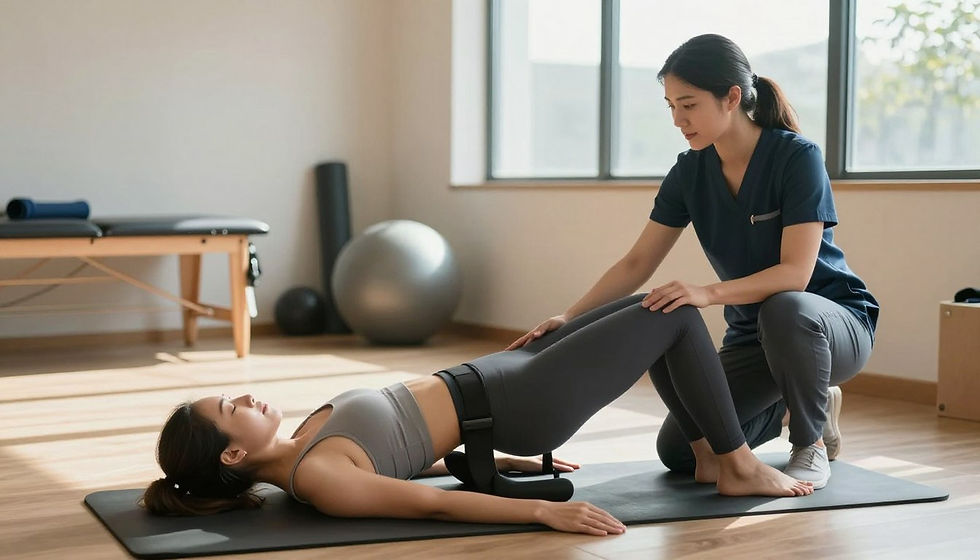
For long-term back pain, doctors have many ways to help. You might need physical therapy, chiropractic care, or medicine to ease pain and swelling.
Seeing a doctor is the first step to finding out why you have back pain. They can figure out what's wrong and suggest the best treatment for you.
Common Mistakes in Low Back Pain Sleeping Posture
Many people unknowingly make mistakes that worsen their lower back pain while sleeping. It's important to know these mistakes to make changes and feel better.
Unsupportive Mattress and Pillow Combinations
Using the wrong mattress and pillow can hurt your lower back. A mattress that's too soft or too firm can mess up your spine's alignment. A pillow that's too thin or too thick can also mess up your neck's alignment.
A study showed that a medium-firm mattress is best for keeping your spine aligned. Also, picking a pillow that keeps your neck's natural curve is key.
Inconsistent Sleep Position Maintenance
Changing sleep positions too much can strain your lower back. It's better to stick to one position all night.
Try to maintain a consistent sleep position throughout the night.
Use pillows strategically to support your body and maintain alignment.
Ignoring Pain Signals During the Night
Ignoring pain during the night can make your lower back pain worse. If you wake up in pain, check how you're sleeping and change it if needed.
Paying attention to your body's signals and making adjustments can significantly reduce lower back pain.
Common Mistake | Impact on Lower Back Pain | Recommended Adjustment |
Unsupportive Mattress | Increases strain on the lower back | Use a medium-firm mattress |
Inconsistent Sleep Position | Strains lower back muscles | Maintain a consistent sleep position |
Ignoring Pain Signals | Worsens lower back pain | Assess and adjust sleeping posture |
FAQ's About Your Correct Sleeping Position For Lower Back Pain
What is the best sleeping position for lower back pain?
The best sleeping position for lower back pain is one that keeps your spine's natural curve. Sleeping on your back with a pillow under your knees or on your side with a pillow between your knees can help.
How can I alleviate lower back pain during sleep?
To ease lower back pain at night, make sure your mattress is supportive. Use pillows to keep your spine aligned. Also, avoid sleeping on your stomach.
Why does my lower back hurt when I wake up?
Lower back pain when waking up might be due to bad sleep posture or a mattress that's not supportive. It could also be because of a medical issue. Changing your sleep position and environment might help.
Is it better to sleep on a firm or soft mattress for lower back pain?
For lower back pain, a medium-firm mattress is usually best. It offers the right support without being too hard.
Can sleeping on my side worsen lower back pain?
Sleeping on your side can sometimes make lower back pain worse if not done right. Using a supportive pillow between your knees can help keep your hips and spine aligned.
What are some pre-sleep stretches to prevent lower back pain?
Doing gentle stretches before bed, like pelvic tilts and knee to chest stretches, can help ease tension and lower back pain.
How can I adjust my sleeping position if I'm used to sleeping on my stomach?
If you're used to sleeping on your stomach, try placing a thin pillow under your pelvis to ease lower back strain. Or, slowly start sleeping on your side or back.
Are there specific pillows that can help with lower back pain?
Yes, there are pillows made to support the lumbar area or placed between the knees. They help keep your spine aligned and can reduce lower back pain.
When should I seek medical help for sleep-related lower back pain?
If your lower back pain doesn't go away, is very bad, or comes with other symptoms, see a doctor. They can check for any serious conditions.
Conclusion
Now you know the secret to less lower back pain: the best sleeping position for you. Knowing why your back hurts in the morning is key to changing your sleep.
We've looked at how sleep affects your back pain. We've covered the science and the best ways to sleep. By using the right pillow and keeping your spine straight, you can feel better.
Remember, it's not just about the lower back pain best sleeping position. It's also about knowing why does my lower back hurt when I wake up. By making smart sleep changes, you can wake up feeling great.
Start changing your sleep for better mornings. Try the suggested sleeping positions and use the right pillows. Be patient as you find what works for you.
If you have any questions or would like to share your experiences, please feel free to leave a comment below. Your feedback is invaluable, and together, we can support each other on this journey towards recovery.
The content on this website does not constitute a professional opinion, a recommendation, a substitute for consulting an expert or receiving medical advice from a care provider.

Comments