
5 Shocking Physical Therapy Moves for Your Lower Back Pain: Reclaim Your Life!

Nearly 80% of adults suffer from lower back pain at some point. This affects their daily life and well-being. It's a big problem that needs effective solutions.
There are ways to ease this pain and take back control of your life. New physical therapy methods offer hope for relief.
Exploring these new techniques is a big step towards a pain-free life. Learn how they can help you beat lower back pain and enhance your life quality.

Understanding Lower Back Pain: Causes and Impact
If you're dealing with lower back pain, knowing the causes and effects is key. This pain can come from muscle strain, bad posture, or health issues. It's a complex problem with many roots.
Common Causes of Lower Back Pain
Several things can lead to lower back pain, including:
Muscle strain or overuse
Poor posture or biomechanics
Herniated or bulging discs
Degenerative disc disease
Spondylolisthesis or spinal stenosis
Cause | Description | Common Symptoms |
Muscle Strain | Overstretching or tearing of muscles | Pain, stiffness, limited mobility |
Poor Posture | Abnormal spinal alignment | Discomfort, fatigue, long-term damage |
Herniated Discs | Disc material protrudes through the outer layer | Pain, numbness, tingling sensations |
How Lower Back Pain Affects Your Daily Life
Lower back pain can make simple tasks hard. Even bending, lifting, or sitting can be tough. It can also lower your mood and productivity, affecting your life quality.
It's important to understand lower back pain to manage it better. Knowing its causes and effects helps you start to improve your life. You can lessen the pain's impact and take back control.
The Power of Physical Therapy for Lower Back Pain
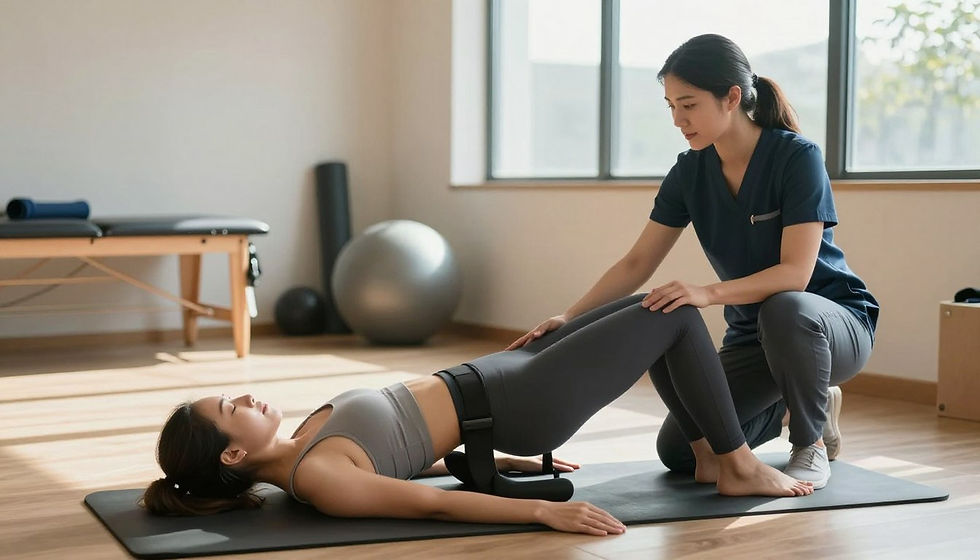
Physical therapy is a top choice for easing lower back pain. It helps you take back control of your body and enhance your life quality. You don't have to suffer from chronic pain anymore.
The Science Behind Physical Therapy Effectiveness
Physical therapy's success in treating lower back pain comes from its all-encompassing method. It tackles both the symptoms and the pain's root causes. Studies confirm that physical therapy can lessen pain and boost function in those with lower back pain.
Physical therapy is known for its tailored approach. Therapists evaluate your condition, pinpoint the pain's source, and craft a unique exercise plan for you.
Aspect | Physical Therapy | Conventional Treatments |
Approach | Holistic, addressing cause and symptom | Often focuses on symptom relief |
Personalization | Customized treatment plans | One-size-fits-all approach |
Benefits of Physical Therapy Over Conventional Treatments
Physical therapy has many advantages over traditional treatments for lower back pain. It's a non-invasive method that sidesteps surgery or medication risks. Plus, it teaches you how to manage your condition on your own.
Adding physical therapy to your treatment plan can lead to major improvements. You'll see less pain, better mobility, and a stronger back.
When to Seek Professional Help for Your Lower Back Pain
Knowing when to get help for lower back pain is key to getting better. This pain affects millions globally. Some cases get better by themselves, but others need expert help to avoid more problems.
Warning Signs That Require Immediate Attention
If you notice any of these symptoms, you should see a doctor right away:
Severe pain that doesn't get better with rest
Numbness, tingling, or weakness in your legs
Loss of bladder or bowel control
Recent trauma or injury to the back
Unexplained weight loss with back pain
These signs might mean a serious issue that needs quick medical check-up.
Finding the Right Physical Therapist
When searching for a physical therapist, keep these points in mind:
Criteria | Description |
Qualifications | Make sure the therapist is licensed and has experience with lower back pain. |
Specialization | Look for therapists who focus on orthopedic or sports physical therapy. |
Communication | Choose someone who listens to you and explains the treatment clearly. |
By focusing on these criteria, you can find a therapist who can help you manage your pain well.
Preparing Your Body for Therapeutic Exercises
Before starting therapeutic exercises for lower back pain, it's key to get your body ready. This step is crucial for getting the most out of your physical therapy. It also helps avoid injuries.
Proper Warm-Up Techniques
Proper warm-up techniques are vital before starting any exercise. A good warm-up boosts blood flow to your muscles. This makes them ready for the exercises ahead.
Simple activities like brisk walking, cycling, or dynamic stretching work well. Try to warm up for 5-10 minutes to prepare your body.
Creating an Optimal Exercise Environment
Creating the right environment for exercise is also important. Make sure you have enough space to move without distractions. The floor should be clear of obstacles, and a non-slip mat can help with stability.
Good lighting and a comfortable temperature also improve your exercise experience. They help you stay focused on your exercises.
Shocking Technique 1:
The McKenzie Method Extension
The McKenzie Method Extension is a new physical therapy technique. It's known for helping with lower back pain. Robin McKenzie created it. It uses exercises to strengthen and stabilize the spine, easing pain and boosting spinal health.
Step-by-Step Guide to Performing the McKenzie Extension
To do the McKenzie Extension, follow these steps:
Lie on your stomach with your hands under your shoulders.
Slowly press your upper body off the ground, keeping your hips and legs relaxed.
Hold the extended position for 2-3 seconds.
Slowly lower back down to the starting position.
Repeat the exercise 10-15 times.
Start slow and increase reps as your back gets used to it.
Why This Technique Delivers Unexpected Relief
The McKenzie Method Extension targets the main cause of lower back pain. It strengthens spinal muscles and improves flexibility. This helps:
Reduce pressure on the spinal discs and joints.
Improve posture and reduce muscle tension.
Enhance overall spinal stability.
Adding the McKenzie Method Extension to your physical therapy can greatly improve lower back pain and spinal health.
Shocking Technique 2:
Dynamic Lumbar Stabilization Exercises
Dynamic Lumbar Stabilization Exercises are a game-changer for those suffering from lower back pain. This technique focuses on enhancing the stability of your lumbar spine through dynamic movements. It reduces pain and improves functionality.
Mastering Core Engagement for Back Health
Core engagement is crucial for maintaining a healthy back. Strengthening your core muscles reduces strain on your lower back. To master core engagement, start by understanding the basics of lumbar stabilization.
This involves activating your transverse abdominis muscle, the deepest abdominal muscle that wraps around your spine. To engage your core effectively, practice deep breathing exercises while drawing your navel towards your spine. This action helps to activate the transverse abdominis muscle.
You can check your engagement by placing your fingers on your abdomen just below your navel. You should feel the muscle tense when you correctly engage your core.

Progressive Stabilization Routine That Challenges Convention
A progressive stabilization routine is essential for challenging your lower back muscles and promoting long-term health. This routine should include a variety of exercises. These exercises target different aspects of lumbar stabilization, such as isometric holds, dynamic movements, and functional activities.
Exercise | Repetitions | Sets |
Plank | 30 seconds | 3 |
Bird Dog | 10 | 3 |
Superman | 10 | 3 |
By incorporating these exercises into your routine and progressively increasing the difficulty, you can achieve significant improvements in your lower back health. Remember to listen to your body and adjust the intensity based on your comfort level.
Shocking Technique 3:
Neural Mobilization Techniques
Neural mobilization techniques are a new way to fight lower back pain. They work by moving the nervous system gently. This helps restore normal function, easing pain and swelling.
Adding neural mobilization to your treatment can really help. You might see big improvements in your back pain.
Understanding Nerve Flossing for Immediate Pain Relief
Nerve flossing is a part of neural mobilization. It helps nerves move better and reduces tension. This is great for people with lower back pain from nerve issues.
To do nerve flossing, move your limbs in a special way. This creates a "flossing" effect on the nerves.
Nerve flossing can give you quick pain relief. It also boosts neural function and mobility. Start slow and gently, then move more as you get used to it.
Nerve Flossing Exercise | Description | Benefits |
Sciatic Nerve Floss | Gently lift your leg, keeping it straight, and then lower it. Repeat. | Relieves sciatica pain, improves lower limb mobility |
Median Nerve Floss | Extend your arm, tilt your wrist up and down, and gently rotate your shoulder. | Reduces arm and hand numbness, improves hand function |
Safe Practice Methods for Neural Mobilization
To safely do neural mobilization, start with gentle moves. Then, slowly add more intensity as you feel comfortable. It's best to get help from a healthcare pro or physical therapist to make sure the exercises fit you right.
Remember to listen to your body and avoid jerky movements. Keep your posture right during exercises. This way, you can get the most out of neural mobilization without hurting yourself.
Shocking Technique 4:
Functional Integration Training
Functional Integration Training can greatly reduce lower back pain. It makes your daily activities a form of therapy. This makes it a practical and effective way to manage pain.
Connecting Movement Patterns to Daily Activities
This training connects your daily movements to therapeutic exercises. It turns your daily tasks into therapy, easing lower back pain. For example, when lifting, use specific movements to reduce spine stress.
First, find out which daily activities hurt your back. Then, change these activities by adding therapeutic movements. For instance, when lifting, squat instead of bending, and lift with your legs.
Building a Sustainable Exercise Progression
Creating a sustainable exercise plan is key for lasting relief. Gradually increase the intensity and complexity of your exercises as you get stronger. Aim for a routine that's effective yet easy to keep up with.
Your exercise plan should mix strengthening, flexibility, and aerobic exercises. Always listen to your body and adjust the intensity based on how you feel. This ensures your routine is both challenging and safe.
Functional Integration Training is more than just pain management. It's about improving your life quality. By making therapeutic exercises part of your daily routine, you can significantly reduce pain and enhance your physical function.
Shocking Technique 5:
Proprioceptive Retraining
Learn how proprioceptive retraining can change how you handle lower back pain. This method boosts your body's ability to feel its position and movement. This improvement can greatly lower the chance of back pain.
Good proprioception is key for balance and posture. If it's off, you might move poorly and strain your back more, making pain worse. Exercises in proprioceptive retraining aim to better your body's sense of itself, making you stronger physically.
Restoring Body Awareness for Pain Prevention
Improving body awareness is a big part of proprioceptive retraining. You do exercises that make you more aware of your body's movements. This awareness helps you stand better, move easier, and put less pressure on your back.
Single-leg stands to improve balance
Heel-to-toe walks to enhance coordination
Balance boards or BOSU ball training for advanced proprioception
Advanced Balance Exercises for Back Stability
Advanced balance exercises are key for bettering your proprioception and back stability. These exercises boost your balance and strengthen your spine's support muscles. This reduces the chance of back pain.
Exercise | Description | Repetitions |
Single-leg deadlift | Stand on one leg, bending at the hip and knee, then return to standing | 3 sets of 10 reps per leg |
Balance squats | Stand on a balance disc or BOSU ball, perform a squat | 3 sets of 12 reps |
Plank on a balance board | Hold a plank position on a balance board or BOSU ball | 3 sets, holding for 30 seconds each |
Adding these advanced balance exercises to your routine can greatly improve your back stability. This can also lower the risk of lower back pain.

FAQ's About Physical Therapy Moves for Your Lower Back Pain
What is physical therapy for lower back pain?
Physical therapy for lower back pain uses exercises, manual therapy, and education. It aims to reduce pain, improve function, and enhance well-being.
How does physical therapy help with lower back pain?
Physical therapy tackles the root causes of lower back pain. It improves flexibility, strengthens muscles, and corrects posture. This reduces pain and boosts quality of life.
What are some common physical therapy techniques for lower back pain?
Techniques include the McKenzie Method, dynamic lumbar stabilization, and neural mobilization. Functional integration and proprioceptive retraining are also used.
How long does it take to see results from physical therapy for lower back pain?
Results vary by individual and condition severity. But, many see significant improvements in a few weeks.
Can I do physical therapy exercises at home for lower back pain?
Yes, many exercises can be done at home. But, it's important to get guidance from a physical therapist to ensure safety and effectiveness.
How do I find a qualified physical therapist for my lower back pain?
Ask your doctor for a referral or check with your insurance. You can also search online for licensed therapists in your area who specialize in lower back pain.
Are physical therapy techniques for lower back pain suitable for everyone?
While effective for many, it's important to consult a healthcare professional. They can determine the best treatment for your specific needs.
Conclusion
Living without lower back pain is possible. Knowing what causes it and using physical therapy can help. The five moves discussed in this article are a great start to feeling better.
These methods, backed by physical therapy, help not just now but also in the future. Adding these exercises to your day can make your back stronger. Taking the first step towards a pain-free life is all about managing your back health.
Remember, being consistent and patient is important. With the right attitude and help from professionals, you can find lasting relief. Begin your journey today and see how physical therapy can change your life.
If you have any questions or would like to share your experiences, please feel free to leave a comment below. Your feedback is invaluable, and together, we can support each other on this journey towards recovery.
The content on this website does not constitute a professional opinion, a recommendation, a substitute for consulting an expert or receiving medical advice from a care provider.
Comments