
4 Crucial Steps to End Your Bicep Tendonitis at Elbow Misery Before It's Too Late!

Do you feel pain in your elbow when you bend or straighten your arm? You're not alone. Many people suffer from bicep tendonitis, often caused by too much strain or overuse.
If you don't treat it, it could get worse. You might even face a bicep tendon rupture at the elbow, which could need surgery. Knowing the causes and acting early can ease the pain and stop further harm.
By tackling bicep tendonitis early, you can avoid long-term elbow pain. You'll also get back your arm's full strength and mobility.
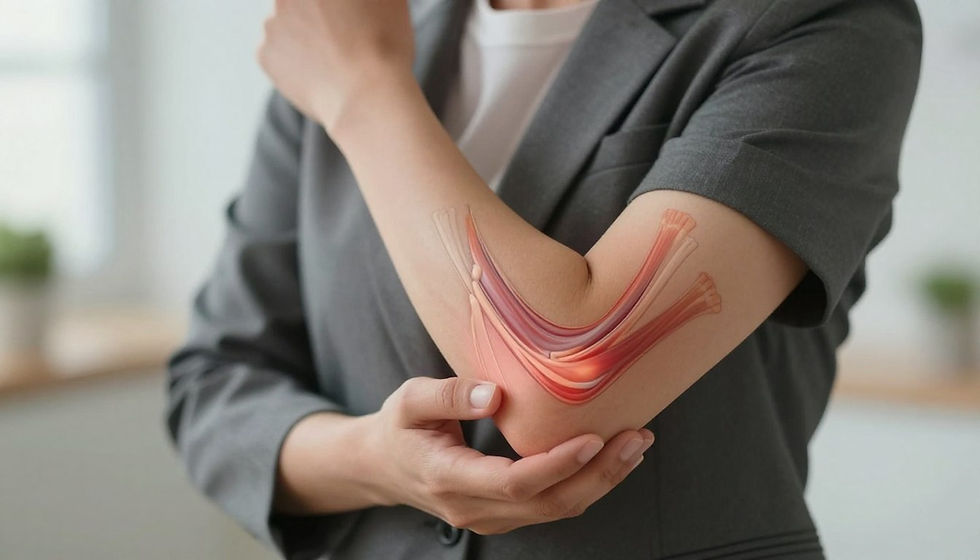
Understanding Bicep Tendonitis at Elbow
Bicep tendonitis, also known as distal bicep tendonitis, happens when the tendon at the elbow gets inflamed. This can cause a lot of pain and discomfort. It's especially bad when you rotate your forearm or bend your elbow.
Anatomy of the Bicep Tendon at the Elbow
The bicep tendon is key for bending the elbow and rotating the forearm. It connects the bicep muscle to the radius bone in the forearm. Knowing how it works helps us understand how injuries or inflammation can affect it.
Common Symptoms and Warning Signs
Symptoms of bicep tendonitis include pain at the front of the elbow, swelling, and bruising. You might also feel weak when bending your elbow or rotating your forearm. Spotting these signs early can help avoid more serious problems.
Differentiating Between Tendonitis and Tendon Rupture
Tendonitis is when the tendon gets inflamed, while a tendon rupture is a more serious tear. Knowing the difference is important for the right treatment. Here's a table that shows the main differences:
Characteristics | Tendonitis | Tendon Rupture |
Pain Level | Moderate pain, especially with movement | Severe pain, often sudden and intense |
Swelling and Bruising | Mild to moderate swelling | Significant swelling and bruising |
Functionality | Some weakness, but generally can still move | Significant weakness or inability to move |
It's crucial to understand these differences to get the right medical help and start the right treatment.
The Dangers of Ignoring Your Elbow Pain
Ignoring elbow pain can lead to serious problems. This includes chronic tendonitis and possibly needing surgery for a ruptured bicep tendon. When you feel pain in your elbow, it means something is wrong. Ignoring it can make the problem worse.
The Progressive Nature of Tendon Injuries
Tendon injuries, like bicep tendonitis, get worse over time if not treated. The first inflammation can turn into more serious damage. This can include tendon degeneration and even a complete rupture.
Long-term Consequences of Untreated Bicep Tendonitis
Not treating bicep tendonitis can cause chronic pain and less mobility. It can also weaken the affected arm. In bad cases, surgery might be needed, which is risky and has a long recovery.
How Minor Tendonitis Can Lead to Complete Rupture
Even small tendonitis can turn into a complete rupture if not managed right. The tendon's wear and tear can weaken it. This makes it more likely to suffer a severe injury.
It's crucial to take elbow pain seriously and see a doctor if it doesn't go away. Early treatment can stop tendonitis from getting worse. This can also avoid the need for surgery.
Common Causes of Bicep Tendonitis at Elbow
Bicep tendonitis at the elbow can come from many sources. This includes repetitive motion injuries and degenerative changes. Knowing these causes helps in finding the best ways to prevent and treat it.
Repetitive Motion and Overuse Injuries
Repetitive motion and overuse are big reasons for bicep tendonitis at the elbow. Activities like throwing or lifting can irritate the bicep tendon. This leads to inflammation and pain.
Improper Exercise Technique
Doing exercises wrong can stress the bicep tendon too much. This is especially true for bicep curls or chin-ups. Using the right form and slowly increasing the intensity can help avoid this problem.
Age-Related Degeneration
As we get older, our tendons get less flexible and more likely to get hurt. This makes older people more at risk for bicep tendonitis at the elbow.
Sports and Activities That Increase Risk
Some sports and activities raise the risk of bicep tendonitis. This includes throwing sports like baseball or softball. Also, activities that make you bend your elbow a lot can increase the risk.
Sport/Activity | Risk Level | Common Injury |
Baseball | High | Bicep Tendonitis |
Weightlifting | Moderate | Tendon Strain |
Golf | Low | Elbow Tenderness |
If bicep tendonitis is not treated, it can turn into a bicep tendon rupture. This might need surgery. Knowing the causes and taking steps to prevent it can lower the risk of bicep tendonitis at the elbow.
Diagnosing Your Condition: When to Seek Medical Help
Knowing when to get medical help for bicep tendonitis is key for good treatment. If you have ongoing elbow pain or think you might have bicep tendonitis, it's important to know how to check yourself. Also, when to talk to a doctor.
Self-Assessment Techniques
Before you see a doctor, you can check your condition yourself. Look for pain or tenderness in your elbow's front. Check if you can bend your elbow easily and if you have any strength. Also, see if there's swelling or bruising around your elbow.
If you have a lot of pain or trouble moving your elbow, you should get medical help.
Medical Tests and Examinations
A doctor will do a detailed check to find out if you have bicep tendonitis. They will look for pain, tenderness, and how well you can move your elbow. They might also use X-rays or MRI to see the tendon and check for other problems.
Test | Description |
Physical Examination | Checking for pain, tenderness, and how well you can move |
Imaging Tests (X-rays, MRI) | Seeing the tendon and checking for other issues |
Red Flags That Require Immediate Medical Attention
Some symptoms mean you need to see a doctor right away. These include very bad pain or swelling, any deformity or bruising, and weakness or loss of arm function.
"Sudden, severe pain or a popping sensation in the elbow could indicate a bicep tendon tear at elbow, requiring immediate medical attention."
Severe pain or swelling
Deformity or bruising
Weakness or loss of function in the arm
Step 1:
Immediate Relief Strategies for Bicep Tendonitis
Bicep tendonitis can be really tough to deal with. But, there are ways to get quick relief. It's important to act fast to ease the pain and avoid making it worse.
The RICE Protocol
The RICE protocol is a well-known way to handle injuries like bicep tendonitis. RICE means Rest, Ice, Compression, and Elevation.
Rest: Stay away from activities that make it worse.
Ice: Use ice packs to cut down on pain and swelling.
Compression: A compression bandage can help lessen swelling.
Elevation: Keep your arm up to reduce swelling.
Over-the-Counter Pain Management Options
OTC pain relievers can help with bicep tendonitis pain. Ibuprofen and acetaminophen are common choices.
Medication | Dosage | Benefits |
Ibuprofen | 200-400mg every 4-6 hours | Reduces pain and inflammation |
Acetaminophen | 325-1000mg every 4-6 hours | Relieves pain |
Activity Modifications
Changing how you do things can help your bicep tendon. Avoid heavy lifting and bending. Also, don't do anything that makes the pain worse.
Supportive Braces and Compression Sleeves
Supportive braces or compression sleeves can offer extra support. They help take some pressure off the tendon.
Using these quick relief methods can help you manage bicep tendonitis. It's key to stick with it and be patient. Recovery might take some time.
Step 2:
Effective Rehabilitation Exercises for Healing
After starting to relieve bicep tendonitis at the elbow, it's time for rehabilitation exercises. These exercises help the tendon heal, regain strength, and become more flexible.
Gentle Stretching Techniques
In the early stages, gentle stretching is key for bicep tendonitis at the elbow. It keeps the tendon flexible and reduces stiffness. Here are some stretches to try:
Elbow extension stretch: Hold your arm straight out in front of you and use your other hand to gently pull your hand back.
Wrist flexion stretch: Hold your arm straight out with your palm facing down and use your other hand to gently pull your hand down.
Progressive Strengthening Exercises
When pain and swelling go down, start strengthening exercises. Begin with light weights and gradually add more. Try these:
Bicep curls with light dumbbells
Resistance band exercises
Proper Form and Technique Guidelines
It's important to use the right form and technique in exercises. This helps avoid injury and promotes healing. Remember to:
"Focus on slow, controlled movements and avoid jerky or bouncy actions,"
Getting help from a healthcare professional or physical therapist is a good idea. They can guide you through the exercises.
Sample Rehabilitation Program Timeline
The rehabilitation for bicep tendonitis at the elbow can take weeks to months. Here's a sample plan:
Week | Exercise Focus | Intensity |
1-2 | Gentle stretching | Low |
3-4 | Progressive strengthening | Moderate |
5-6 | Advanced strengthening | High |
By sticking to a structured program and doing these exercises, you can help your tendon heal. This reduces the chance of more injury from bicep tendonitis at the elbow.
Step 3:
Advanced Treatment Options for Persistent Pain
If simple treatments don't work, it's time to look at more advanced options. Persistent pain can really affect your daily life. These advanced treatments aim to manage your symptoms and help your body heal.
Physical Therapy Approaches
Physical therapy is key in treating bicep tendonitis. A custom exercise plan can strengthen your elbow muscles and improve flexibility. Your physical therapist might use manual therapy to help your tendon heal and function normally.
Therapeutic Modalities (Ultrasound, TENS, etc.)
Ultrasound and TENS can help with pain and healing. Ultrasound uses sound waves to boost blood flow and reduce swelling. TENS sends electrical impulses to block pain signals to your brain.
Corticosteroid Injections: Benefits and Risks
Corticosteroid injections can greatly reduce pain by lowering inflammation. But, they can also weaken your tendons, especially if used too much. Always talk to a healthcare professional about the risks and benefits.
Emerging Treatments: PRP and Stem Cell Therapy
PRP and stem cell therapy are new methods that might help your tendons heal. PRP uses your own blood platelets to stimulate healing. Stem cell therapy tries to grow new tissue in damaged areas.
Treatment Option | Benefits | Risks/Side Effects |
Physical Therapy | Strengthens muscles, improves flexibility, reduces pain | Temporary discomfort, risk of overexertion |
Therapeutic Modalities (Ultrasound, TENS) | Reduces pain, promotes healing | Skin irritation (TENS), unknown long-term effects |
Corticosteroid Injections | Significant pain relief, reduces inflammation | Tendon weakening, rupture risk, other systemic effects |
PRP and Stem Cell Therapy | Promotes tendon healing, regenerates tissue | Variable efficacy, potential for adverse reactions |
Advanced treatments for bicep tendonitis have both benefits and risks. It's important to talk to a healthcare professional to find the best treatment for you.

Step 4:
Long-Term Prevention Strategies
Managing bicep tendonitis long-term means making ergonomic changes, exercising right, and eating well. These steps help lower the chance of it coming back and keep your tendons healthy.
Ergonomic Modifications for Work and Daily Activities
Adjusting your workspace and daily habits can ease bicep tendon strain. Make sure your desk supports good posture and use tools that fit you. Also, stretch and move often to avoid stiffness.
Proper Warm-up and Cool-down Routines
Starting and ending your workouts right is key to avoiding bicep tendonitis. A good warm-up gets your muscles ready. A cool-down helps them recover and eases soreness.
Maintenance Exercises for Tendon Health
Doing regular exercises strengthens the muscles around your bicep tendon. This makes it more resilient. Try gentle stretches and exercises that match your fitness level.
Nutritional Support for Tendon Healing
Good nutrition is crucial for tendon health and healing. Eat a balanced diet with lots of vitamins C and E, omega-3 fatty acids, and other nutrients. This helps your tendons recover over time.
Nutrient | Benefit for Tendon Health | Food Sources |
Vitamin C | Essential for collagen synthesis | Citrus fruits, berries, leafy greens |
Omega-3 Fatty Acids | Reduces inflammation | Fatty fish, flaxseeds, walnuts |
Vitamin E | Antioxidant properties | Nuts, seeds, vegetable oils |
By following these long-term prevention tips, you can manage bicep tendonitis well. This reduces the risk of it happening again.
Treatment Options for Bicep Tendon Tear at Elbow
The treatment for a bicep tendon tear at the elbow varies. It depends on how bad the injury is and your health. There are different treatments for partial and complete tears.
Conservative Management of Partial Tears
For partial tears, doctors often start with non-surgical methods. This includes:
Rest, Ice, Compression, and Elevation (RICE) to reduce pain and inflammation
Physical therapy to keep the elbow mobile and strengthen muscles
Anti-inflammatory medications to control pain
This approach is best for those with partial tears. It's for people who are not very active or don't need full arm strength.
Surgical Repair Techniques for Complete Ruptures
For complete ruptures, surgery is usually needed. The goal is to attach the tendon back to the bone. There are a few ways to do this:
Direct repair: attaching the tendon directly to the bone
Tendon grafting: using a graft to connect the tendon and bone if it's far apart
Surgery is best for those who are active or need strong arms for work or sports.
Recovery Timeline and Expectations
The time it takes to recover from a bicep tendon tear varies. It depends on the treatment. Non-surgical methods can take weeks to months to heal.
Surgery recovery is longer. It involves:
Immediate post-surgical immobilization
Gradual rehabilitation through physical therapy
Strengthening exercises to regain full arm function
Full recovery from surgery can take 4 to 6 months.
Post-Surgical Rehabilitation Protocol
After surgery, rehabilitation is key. It helps restore elbow function and strength. The process includes:
Early mobilization to prevent stiffness
Progressive strengthening exercises
Functional training to return to normal activities or sports
A good rehabilitation plan is crucial for the best results after surgery.
FAQ's About Bicep Tendonitis at Elbow
What is bicep tendonitis at the elbow?
Bicep tendonitis at the elbow is when the tendons get inflamed. These tendons connect the bicep muscle to the elbow. It causes pain and discomfort.
How is bicep tendonitis different from a bicep tendon rupture?
Bicep tendonitis is when the tendon gets inflamed. A bicep tendon rupture is when the tendon tears. This can be partial or complete.
What are the common symptoms of bicep tendonitis at the elbow?
Symptoms include pain, swelling, and tenderness in the front of the elbow. You might also feel weak in your arm.
Can bicep tendonitis be treated without surgery?
Yes, many cases can be treated without surgery. Rest, physical therapy, and pain management are often enough.
What are the treatment options for a ruptured bicep tendon?
For a ruptured tendon, treatment depends on the tear's size. Small tears might be treated without surgery. Larger tears might need surgery, followed by rehab.
How can I prevent bicep tendonitis at the elbow?
To prevent it, use proper exercise technique and avoid repetitive strain. Also, do exercises to strengthen the muscles around your elbow.
What is the recovery time for bicep tendonitis or a ruptured bicep tendon?
Recovery time varies. It depends on how severe the condition is and how well treatment works. It can take weeks to months to recover.
Are there any specific exercises to strengthen the bicep tendon?
Yes, there are. Gentle stretching and strengthening exercises can help. They improve tendon health and prevent injuries.
Can nutritional support aid in tendon healing?
Yes, it can. Eating a balanced diet with protein, vitamin C, and omega-3 fatty acids supports tendon health and healing.
Conclusion
Bicep tendonitis at the elbow needs quick action and the right care. Knowing the causes, symptoms, and treatments helps you manage your recovery.
Managing bicep tendonitis involves several steps. These include immediate relief, exercises, and prevention. By following these steps, you can reduce pain, aid healing, and avoid future injuries.
Recovery from bicep tendonitis is a journey that needs patience and dedication. By addressing the issue early, you can regain strength and confidence in your arm. Stick to your treatment plan, and you'll be on the way to full recovery.
If you have any questions or would like to share your experiences, please feel free to leave a comment below. Your feedback is invaluable, and together, we can support each other on this journey towards recovery.
The content on this website does not constitute a professional opinion, a recommendation, a substitute for consulting an expert or receiving medical advice from a care provider.


Comments